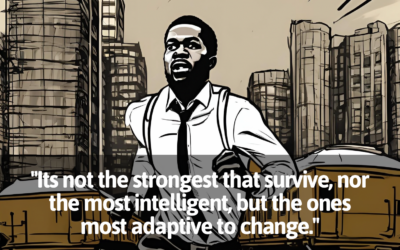
Imagine it’s 1972. A Nigerian student, suitcase in hand, steps off a plane in London. His goal? To gain an education, return home, and contribute to his country’s development. On the same day, an Indian refugee expelled from Uganda by Idi Amin arrives in England, carrying little more than the clothes on his back. Two immigrants. Two destinies.
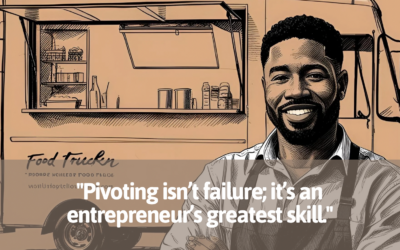
The Nigerian pursued his education, graduated, and secured a job with a multinational company. True to his goal, he returned to Nigeria, ready to make an impact. The Indian, with no formal plans and minimal resources, started working odd jobs to save money. A few years later, he opened a corner shop, spotting an opportunity in an underserved market.
Fast-forward two decades. The Nigerian economy had collapsed due to political instability. Forced to return to the UK, the Nigerian found himself starting from scratch with his family. Meanwhile, the Indian refugee, having reinvested his profits, owned several shops and a growing portfolio of real estate.
What made the difference? Creativity and innovation.
In this post, we’ll explore how these two forces drive success, turning adversity into opportunity. You’ll discover practical steps to spark creativity and apply it to your own life or business.
Two Paths, Two Approaches
The Nigerian’s Story
The Nigerian followed a traditional path: study hard, get a good job, and achieve success. While this strategy worked initially, it left little room for adaptability or entrepreneurial creativity. When the external environment changed, his progress was undone.
The Indian’s Story
The Indian’s approach was different. With limited resources, he relied on observation and problem-solving. He recognized gaps in the market—local shops that didn’t meet the needs of their communities. Starting with a single shop, he reinvested profits to open more, eventually diversifying into real estate.
The lesson? Success isn’t about starting with more—it’s about thinking differently with what you have.
The Role of Creativity in Success
1. Identifying Needs
Creativity starts with observation. The Indian refugee saw a gap: a lack of reliable corner shops in his area. By filling that need, he built a steady income stream and gained a foothold for further opportunities.
Think of creativity as a magnifying glass. It doesn’t create opportunities—it reveals them.
2. Adapting to Change
Creativity allows you to pivot and grow. Instead of stopping with one shop, the Indian expanded and diversified, turning small wins into lasting success. He didn’t just survive adversity—he thrived in it.
Research shows that businesses focusing on innovation are 33% more likely to outperform their competitors.
3. Inspiring Others Through Action
Creativity has a ripple effect. The Indian’s success inspired others in his community to think entrepreneurially. His journey proved that even in the face of hardship, a creative mindset can spark change.
Creativity isn’t just a spark—it’s a torch that lights the way for others.
Lessons on Creativity and Innovation
1. Look Beyond the Obvious
Success isn’t always about the straight path. Ask yourself: What’s missing in my community or market? How can I provide it?
2. Combine Creativity with Discipline
Ideas are only the beginning. Consistent action, like saving diligently or reinvesting profits, turns creativity into tangible results.
3. Start Small, Think Big
A humble corner shop can become the foundation for an empire. Start where you are, but don’t limit your vision.
Practical Steps to Spark Creativity in Your Life
1. Observe and Listen
Spend time noticing gaps in your market or unmet needs in your community.
2. Experiment with Ideas
Start small. Test a concept on a manageable scale, learn from the results, and iterate.
3. Collaborate and Network
Share your ideas with trusted peers or mentors to gain fresh perspectives.
4. Keep Learning
Creativity thrives on knowledge. Read, research, and stay curious about trends and opportunities.
Conclusion
The story of the Indian refugee and the Nigerian student illustrates a powerful truth: creativity and innovation are the sparks that transform lives. While resources and education are valuable, a creative mindset is what turns challenges into opportunities.
Take a moment to reflect. Where in your life or business can you apply creative thinking? What opportunities might you be overlooking?
What’s Next?